


Why Couples Drift Apart Emotionally (Even When They Still Love Each Other)
Understanding emotional disconnection in relationships, marriages, and long-term partnerships
There’s a stage in many relationships that often goes unnoticed. Nothing dramatic has happened. There hasn’t been a major argument, betrayal, or obvious relationship breakdown. On paper, things may look fine. You’re still living together, parenting together, managing responsibilities, and functioning as a couple. But emotionally, something can start to feel different. Not necessarily worse. Just quieter. Conversations that once felt easy and emotionally connected may now feel shorter, more practical, or surface-level. You may still speak every day, but most conversations revolve around logistics - work schedules, children, responsibilities, appointments, or what needs to get done and slowly, without either person intentionally choosing it, emotional intimacy in the relationship can begin to fade into the background.
This is one of the most common concerns couples bring into marriage counselling and couples therapy in the Redlands and suburbs of Cleveland, Thornlands, Capalaba, Victoria Point, Alexandra Hills, Thornlands, Wellington Point, Wynnum, and surrounding suburbs.
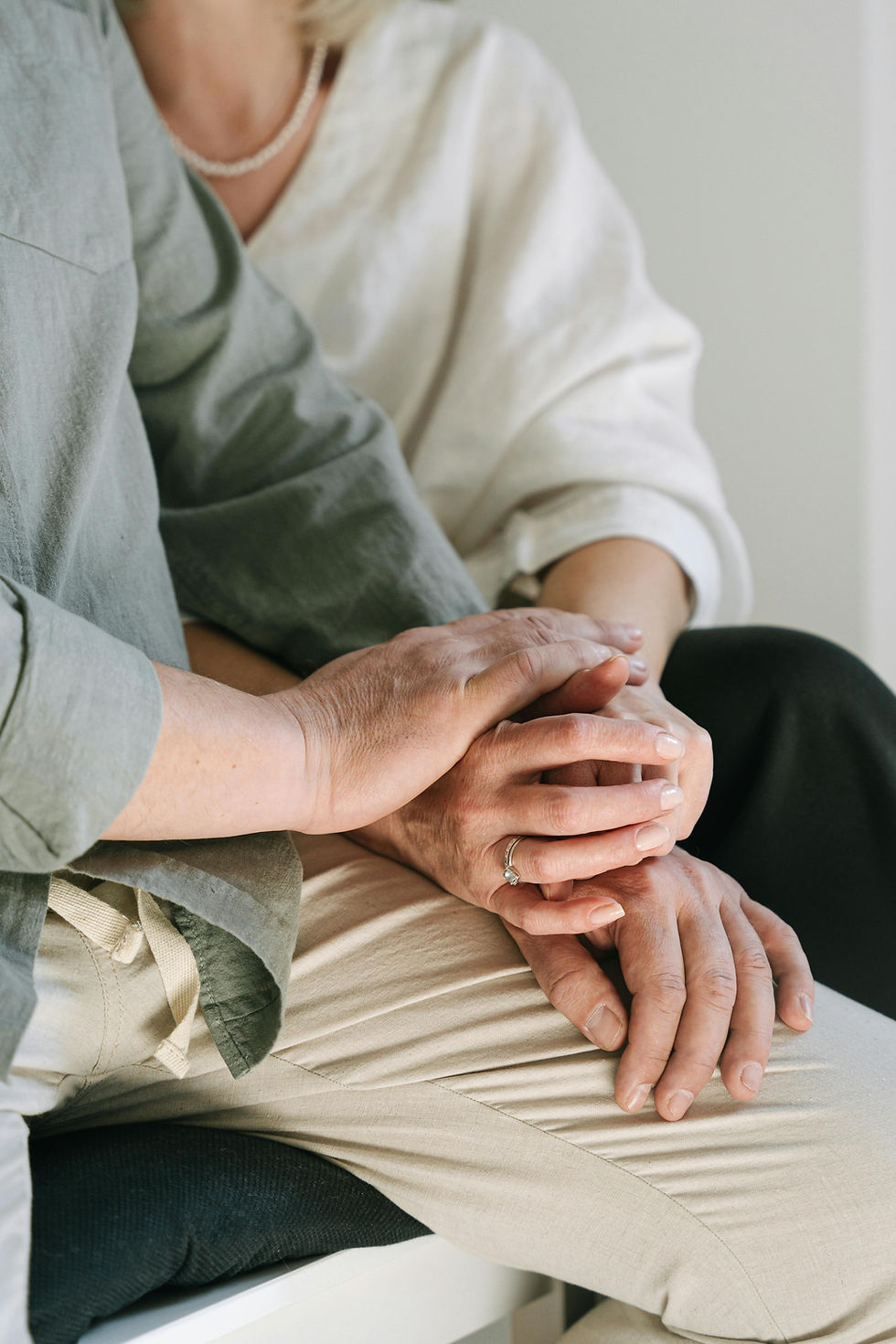
What emotional disconnection actually looks like in everyday relationships
Emotional disconnection rarely appears as one obvious moment. More often, it shows up quietly in everyday interactions. It can look like:
sitting together in silence scrolling on phones
asking “How was your day?” and receiving a quick “fine”
no longer sharing the small details of your day
avoiding deeper conversations because they feel too hard or tiring
not mentioning things that upset you anymore
feeling emotionally lonely despite being together
communicating more like housemates or co-parents than romantic partners
Many couples experiencing emotional distance still love each other deeply. The issue is not usually a lack of care. It’s often emotional exhaustion, stress, unresolved hurt, mental overload, parenting pressures, relationship burnout, anxiety, work demands, or years of slowly falling into survival mode together. This pattern is especially common in:
long-term marriages
couples with young children
relationships under stress
FIFO relationships
blended families
busy professional couples
couples recovering from conflict, affairs, or emotional hurt
And over time, the relationship can begin to feel more like co-existing than emotionally connecting.
“We’re not fighting, so I guess we’re okay”
One of the most common things couples say in relationship counselling is:
“We’re not really arguing, so I thought things were fine.”
It makes sense why people assume this. Conflict tends to receive the most attention in relationships, so many couples believe that if they’re not constantly fighting, the relationship must be healthy but emotional connection works differently. Some of the most emotionally disconnected couples are not arguing frequently at all. Instead:
conversations become polite and functional
emotional vulnerability reduces
difficult topics stop being discussed
affection decreases
curiosity about each other fades
emotional safety slowly weakens
From the outside, the relationship may appear calm but underneath, many couples describe feeling lonely, emotionally unseen, disconnected, or unsure how to reconnect again.
How emotional distance slowly develops in marriages and relationships
Emotional disconnection rarely happens overnight. Usually, it develops through small moments over time. A vulnerable conversation that gets missed because someone is stressed or distracted.
A difficult interaction that never gets properly repaired. Feeling unheard too many times. Repeated emotional misunderstandings. Stress, anxiety, resentment, parenting exhaustion, relationship trauma, or poor communication patterns can all gradually create emotional distance. Over time, couples often begin protecting themselves emotionally by:
sharing less
avoiding difficult conversations
withdrawing emotionally
assuming instead of asking
reducing emotional openness
suppressing needs or feelings
Eventually, emotional effort starts to reduce - not because love disappeared, but because emotional connection no longer feels easy or safe in the same way.
Signs your relationship may be emotionally disconnected
Many couples searching for couples counselling in Brisbane or the Redlands describe experiences like:
“We feel more like roommates.”
“We barely talk deeply anymore.”
“We love each other but feel distant.”
“We’ve lost emotional intimacy.”
“We don’t know how to reconnect.”
“We keep having the same communication problems.”
“We feel disconnected after having kids.”
“We struggle to communicate without defensiveness.”
“We don’t feel emotionally close anymore.”
Common signs of emotional disconnection include:
surface-level communication
reduced affection or intimacy
feeling emotionally alone
avoiding difficult conversations
less empathy or curiosity
emotional shutdown or withdrawal
increased irritability or resentment
feeling unseen, unheard, or misunderstood
difficulty reconnecting after conflict
These patterns are incredibly common in long-term relationships and marriages - particularly during stressful seasons of life.
Why emotional disconnection feels difficult to explain
One reason this stage feels so confusing is because there’s often no clear crisis point. No single event.
No obvious “reason” the relationship changed. Instead, couples often describe:
“drifting apart”
“feeling emotionally flat”
“losing connection”
“feeling distant without knowing why”
Because life is still functioning, many people minimise what’s happening:
“We’re just busy.”
“It’s probably temporary.”
“Things will improve later.”
Sometimes they do but sometimes emotional disconnection continues quietly in the background until the distance feels much harder to repair.
Can couples reconnect after emotional distance?
Yes - in many cases, absolutely. Emotional disconnection does not automatically mean the relationship is failing. Most couples are not looking for perfection. They simply want to:
feel emotionally safe again
communicate better
reconnect emotionally
stop feeling distant
rebuild closeness
feel understood
improve intimacy and communication
And importantly, reconnection usually begins through small shifts rather than dramatic changes.
This may include:
making intentional space for emotional conversations
asking deeper questions again
listening with curiosity instead of defensiveness
rebuilding emotional safety slowly
improving communication patterns
learning healthier conflict repair
reconnecting emotionally after stress or burnout
Sometimes even simple questions can begin reopening emotional connection:
“How have you really been feeling lately?”
“What’s been hardest for you recently?”
“Is there something you need more of from me?”
“What’s been sitting on your mind?”
Small moments of emotional responsiveness often matter more than grand gestures.
How couples counselling can help rebuild emotional connection
Many couples wait until things feel significantly worse before seeking support but relationship counselling can actually be most effective when couples notice the earlier signs of emotional disconnection. Couples therapy can help with:
rebuilding emotional intimacy
improving communication
reducing defensiveness
navigating conflict more safely
repairing trust
reconnecting after emotional distance
strengthening emotional awareness
learning healthier relationship patterns
rebuilding closeness after stress, parenting, or burnout
At Anchoring Your Life Counselling, couples counselling supports individuals and couples across:
Redlands
Cleveland
Capalaba
Victoria Point
Alexandra Hills
Thornlands
Wellington Point
Manly
Wynnum
Brisbane Bayside
South Brisbane
surrounding Brisbane suburbs
Support is available for couples navigating:
communication issues
emotional disconnection
marriage difficulties
conflict and resentment
anxiety impacting relationships
trust issues
emotional overwhelm
parenting stress
intimacy concerns
relationship burnout
feeling disconnected after children
people-pleasing dynamics
attachment and emotional regulation challenges
addictive and compulsive behaviours
past trauma and hurt
You don’t have to wait until the relationship feels broken
One of the most important things to understand is this: You do not have to wait until things feel severe before paying attention to emotional distance. Sometimes the quieter signs are the ones that matter most. Because they offer an opportunity to reconnect before emotional disconnection becomes the new normal. And often, once couples can name what’s been happening underneath the surface, things begin to feel clearer, calmer, and more manageable again.
A calm space to reconnect and understand each other again
If this feels familiar, couples counselling can provide a supportive space to slow things down and better understand the patterns developing in your relationship. Not to place blame. Not to force immediate solutions but to help you reconnect emotionally, communicate more openly, and rebuild closeness in a way that feels safe, practical, and sustainable.
Sometimes the goal is not to change everything overnight. Sometimes it’s simply to begin feeling connected again - one conversation at a time.
→ Book a session or enquire today
Flexible scheduling · Online & in-person · Confidential